Walvis Bay & Logistics Corridors:

Overview: A Quarter-Century of Corridor Success
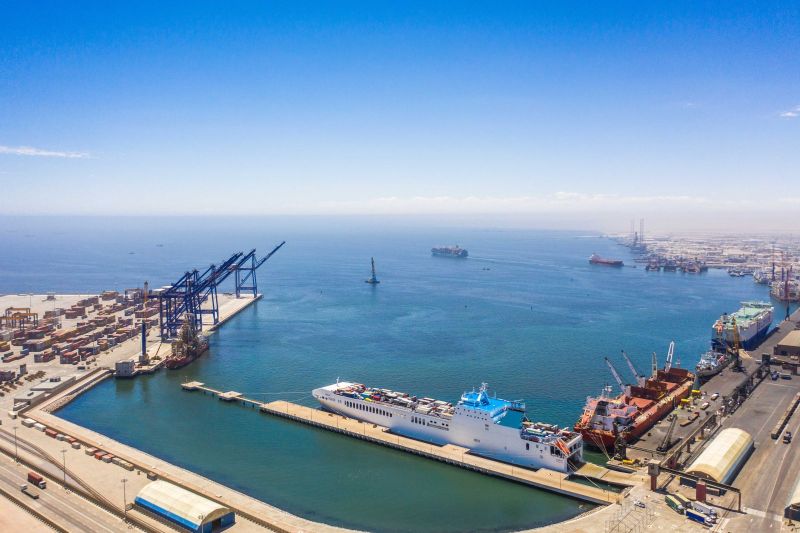
The Walvis Bay Corridor Group (WBCG) stands as one of Africa’s most effective models of corridor-led regional integration. Established in 2000 as a public-private partnership, the WBCG’s mandate is to facilitate the free flow of trade to and from Southern Africa, increase cargo volumes through the Ports of Walvis Bay and Lüderitz, and position Namibia as the preferred trade route for the SADC region.
Over 25 years, cargo volumes have grown from zero to over 1 million tonnes per annum, reaching a record high of 2.5 million tonnes during the 2024/25 financial year—a testament to sustained business development and trade facilitation. The network supports cargo flows to and from key regional markets including Angola, Botswana, DRC, Malawi, Mozambique, South Africa, Zambia, and Zimbabwe.
The Four Strategic Corridors
Under WBCG coordination, the corridor framework comprises four primary trade routes:
| Corridor | Route | Strategic Importance |
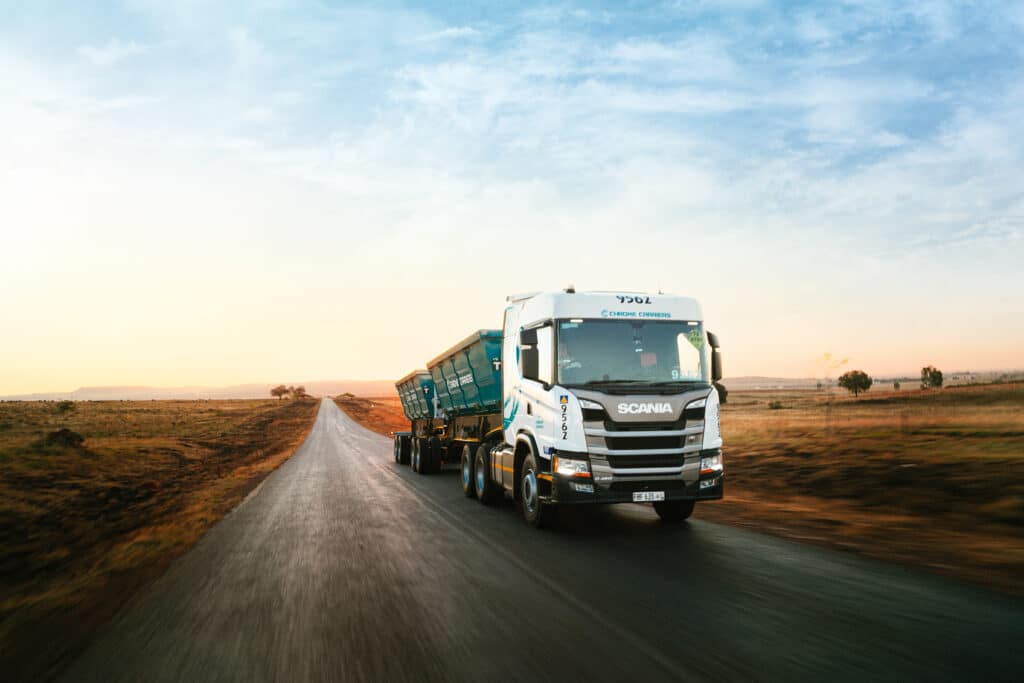
| Trans-Kalahari Corridor (TKC) | Port of Walvis Bay → Botswana → South Africa | Links Botswana’s copper-producing mines to Walvis Bay; supports bulk mineral exports |
| Walvis Bay–Ndola–Lubumbashi Development Corridor (WBNLDC) | Port of Walvis Bay → Zambia → DRC | Connects Copperbelt region to Atlantic; critical for copper, cobalt, and zinc exports |
| Trans-Cunene Corridor | Port of Walvis Bay → Southern Angola | 24-hour Oshikango-Santa Clara border post operational; enhances trade with Angola |
| Trans-Oranje Corridor | Port of Lüderitz → South Africa’s Northern Cape | Supports Lüderitz port growth and manganese exports |
Record-Breaking Cargo Throughput
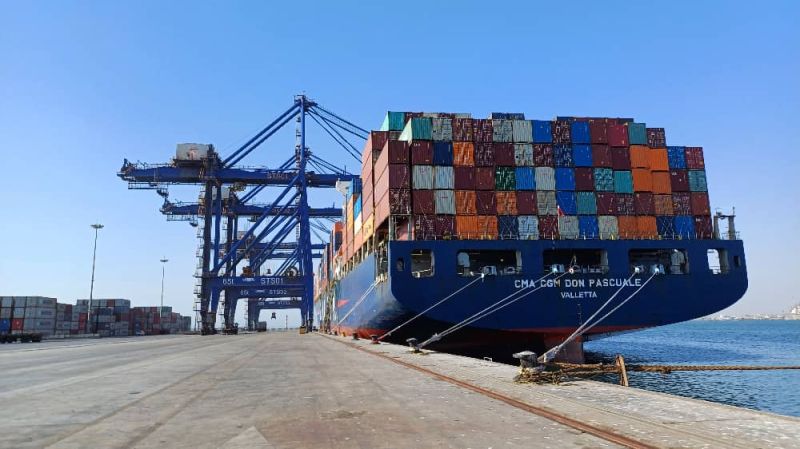
The ports of Walvis Bay and Lüderitz handled a record-breaking 8.42 million tonnes of cargo for the 2024/25 financial year, a 4.8% increase from 8.03 million tonnes the previous year. The mining sector has been instrumental to this performance:
- Lüderitz saw the strongest year-on-year rise, with cargo volumes increasing by 21.7% to 1.47 million tons, driven by petroleum imports, machinery, and steady exports of zinc ore
- Walvis Bay recorded notable gains in bulk salt, copper and lead concentrates, charcoal, and first-ever shipments of nickel and zinc concentrates, positioning Namibia as an emerging player in the global critical mineral supply chain
Strategic Developments and Milestones
WBNLDC Permanent Secretariat (April 2026)
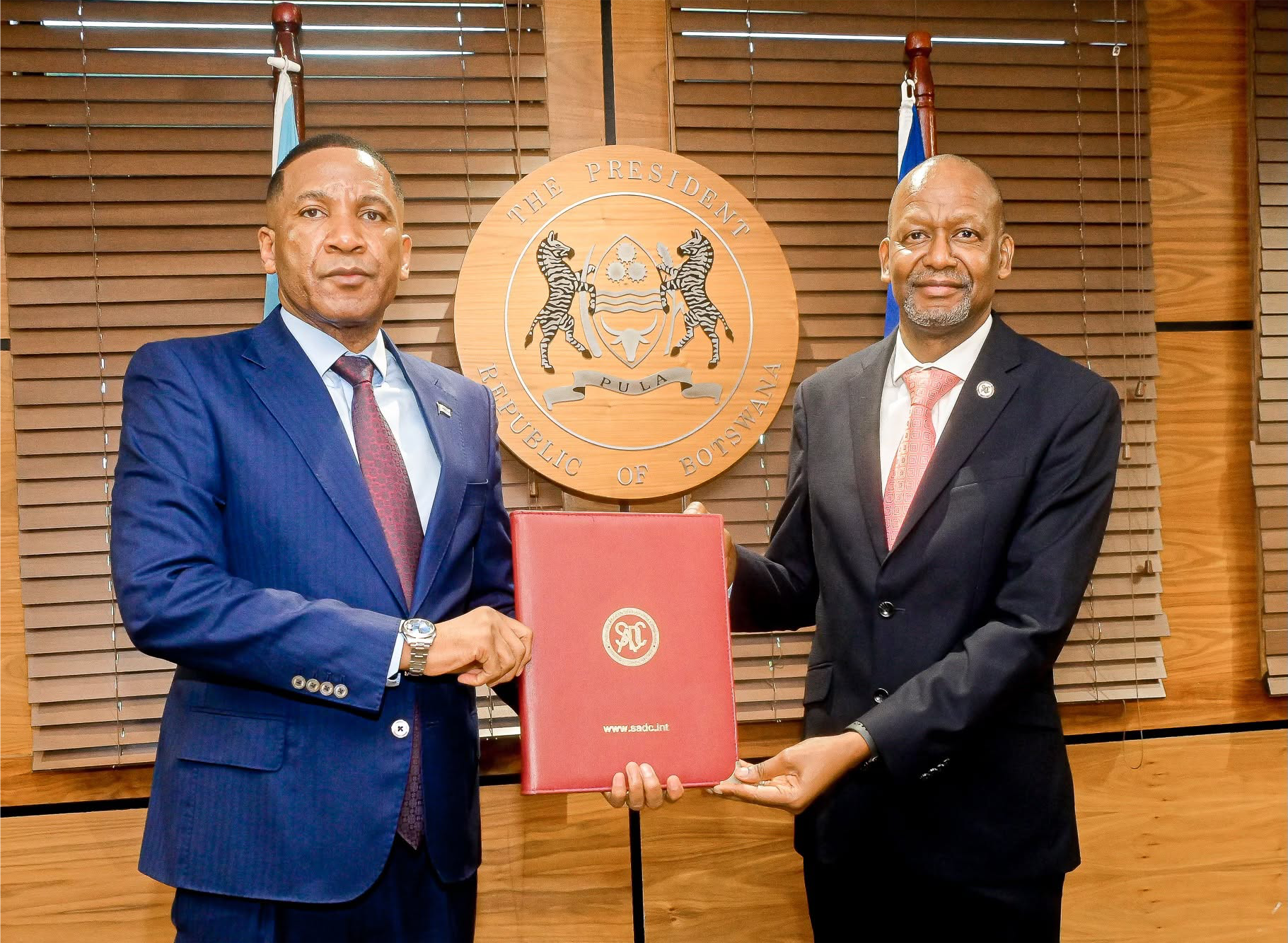
A major milestone was the operationalisation of the permanent secretariat for the Walvis Bay-Ndola-Lubumbashi Development Corridor in April 2026, following a tripartite high-level ministerial meeting in Swakopmund. Namibia’s Minister of Works and Transport Veiko Nekundi emphasised that the corridor remains critical for facilitating safe and efficient movement of goods and people across borders.
To ensure institutional sustainability, Namibia introduced a user levy of 90 cents per tonne on cross-border cargo to finance corridor operations.
New Commodities and Expanding Markets
The 2024/25 period recorded the successful introduction of new commodities including sugar, coal, copper concentrate, zinc, and avocado exports, demonstrating growing confidence in the Walvis Bay Corridors and expanding trade diversification across the region. Key milestones include:
- Zinc exports from DRC via the WBNLDC
- Copper concentrate shipments from Botswana’s mines via Trans-Kalahari Corridor
- First-time exports of nickel and zinc concentrates through Walvis Bay
Infrastructure and Handling Upgrades
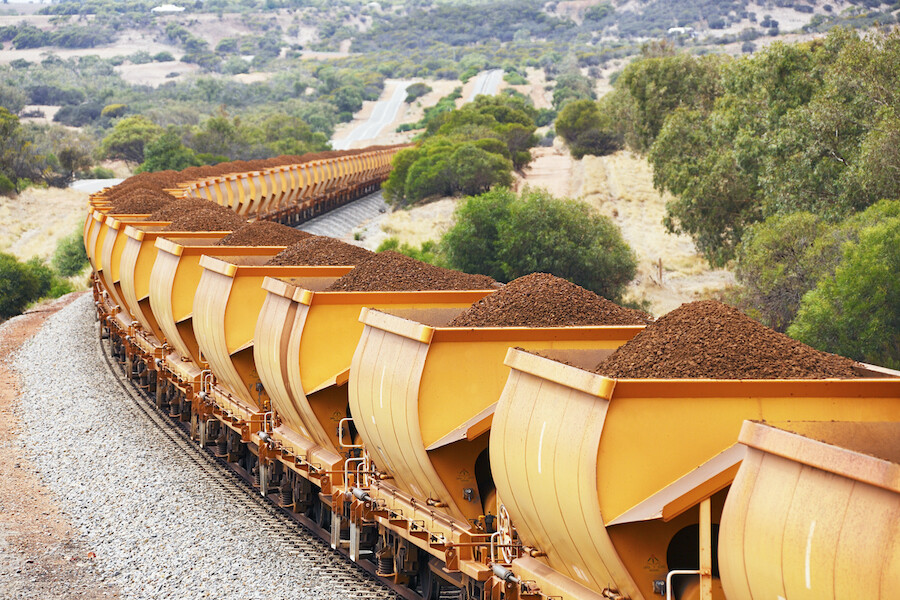
The WBCG works closely with transporters handling bulk copper using modernised equipment such as shore cranes paired with a patented closed skip system, enabling faster loading, zero spillage, safer quayside operations, and quicker vessel turnaround times.
Border efficiency has also improved with the opening of One-Stop Border Post operations at the Trans-Kalahari/Mamuno border and 24-hour operations at the Oshikango-Santa Clara border post, significantly enhancing trade facilitation along the Trans-Cunene Corridor.
Strategic Planning: 2026-2031 Vision
In March 2026, the WBCG convened a two-day Strategic Planning Session in Walvis Bay to shape the 2026-2031 direction. The session marked the conclusion of the previous Strategic Plan (2021-2026) and focused on aligning with Namibia’s national priorities under NDP6, positioning Namibia as the Logistics Hub for the SADC Region.
WBCG Acting CEO Edward Shivute highlighted the operational impact: “Our record throughput and the diversification of commodities demonstrate that the Walvis Bay Corridors are not just transport routes, they are enablers of regional trade, economic growth and investment”.
Future Outlook
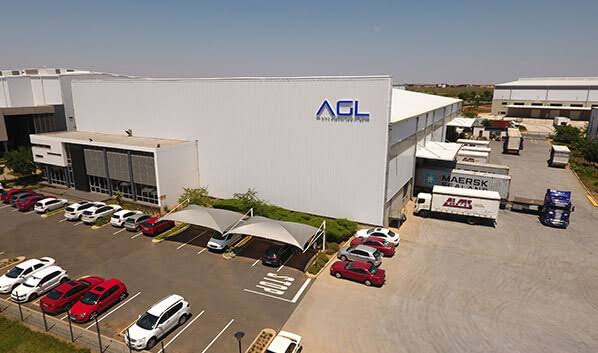
As mining ventures across the region expand—driven by global energy transition demand for uranium, lithium, copper, and zinc—demand is increasing across the entire logistics value chain, from construction materials and machinery to processed or semi-processed mineral exports. The WBCG’s focus is now on:
- Strengthening strategic partnerships with transport and logistics industry stakeholders
- Developing intermodal transport, particularly rail linkages and connectivity with neighbouring countries
- Supporting the Namibia Logistics Hub initiative to position the country as a premier regional gateway for trade
With the Angra Point Deepwater Port development at Lüderitz set to unlock additional manganese exports and continued investment in corridor efficiency, Namibia’s role as the Atlantic gateway for Southern Africa’s mineral wealth is set to strengthen further in the years ahead.