Windhoek, Namibia – Namibia is cementing its position as a pivotal logistics hub for Southern Africa through a coordinated strategy of port modernisation, strategic infrastructure development, and international partnerships. With record cargo volumes and a focus on critical minerals, the country is aggressively investing in its export infrastructure to support its growing mining sector and attract regional trade.

Record Cargo Throughput and Regional Growth
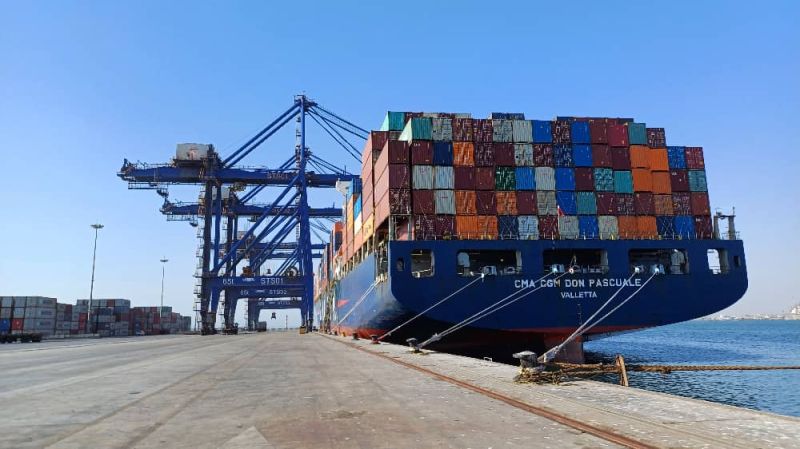
Namibia’s ports are demonstrating robust growth, underscoring their increasing regional relevance. For the 2024/25 financial year, the Ports of Walvis Bay and Lüderitz handled a record 8.42 million tonnes of cargo, a 4.8% increase that set a new decade-high. This achievement is largely attributed to cargo diversification and the export of key minerals, including copper, zinc, and uranium oxide concentrate, positioning Namibia as an emerging player in the global mineral supply chain.
“Sustained regional growth in mine-related cargo is increasing demand for efficient, reliable transport and logistics services across regional corridors,” said Edward Shivute, acting CEO of the Walvis Bay Corridor Group (WBCG). A significant milestone was the introduction of zinc exports from the Democratic Republic of Congo via the Walvis Bay-Ndola-Lubumbashi Development Corridor, reflecting growing market confidence.
Port of Walvis Bay: Modernisation and Capacity Expansion
A wave of public and private investment is modernising the Port of Walvis Bay to handle larger cargo volumes and improve efficiency.
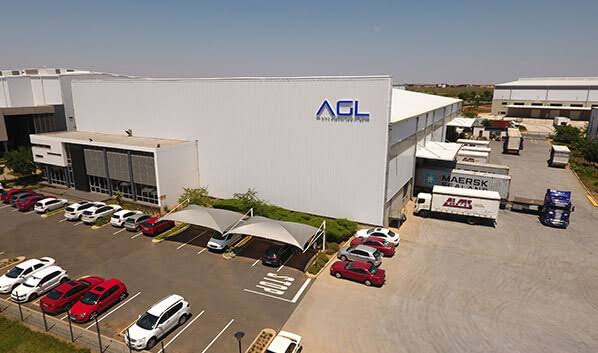
- New Multipurpose Terminal: African Global Logistics (AGL) has commenced operations at a US$200 million terminal, enhancing bulk and breakbulk cargo handling. The facility is expected to minimise ship turnaround times and reduce freight costs, positioning Walvis Bay as a “global gateway to Africa”.
- Container Terminal Upgrade: Terminal Investment Namibia (TIN) is undertaking a N$2.1 billion (approx. US$126.5 million) modernisation of the container terminal, receiving an initial batch of six rubber-tyred gantry cranes to boost productivity and throughput.
- Expanded Warehousing: Logistics companies are expanding their footprint. Grindrod opened a 4,000m² warehouse, and Manica Group Namibia and the Frans Indongo Group are constructing the 9,000m² Rennies Indongo Port Terminal (RIPT) to address rising cargo volumes.
The Walvis Bay Corridor Group is also strengthening regional links, including the Trans-Kalahari Corridor (TKC) and the Trans-Cunene Corridor, with investments in modern equipment and 24-hour border operations to improve efficiency.
Port of Lüderitz: A Gateway for Critical Minerals
In a strategic move to unlock Southern Namibia’s potential and export processed minerals, the European Union (EU) and the Port of Rotterdam have partnered with Namport to develop a new Green Minerals Terminal at Angra Point in Lüderitz.
The EU, through its Global Gateway initiative, has committed N$13 million to fund the planning phase, which includes a high-level environmental impact assessment. The project aims to create a multi-user terminal for the export of processed critical minerals like lithium, manganese, and graphite to global markets, positioning Namibia as a key player in clean energy supply chains. Significantly, the development will address the 8.75-metre draught limitation at the existing Lüderitz port by offering access to deep water up to 30 metres, enabling it to accommodate larger, more efficient vessels.
The agreement marks a significant shift for Namport, expanding its role from a traditional logistics operator to a facilitator of strategic clean-energy trade.
Outlook: Investing for the Future
While the progress is substantial, industry leaders warn that further investment is critical to maintain competitiveness. There is a growing call for expanded rail solutions, dry bulk facilities, and flexible port rate structures to remain competitive against other regional trade routes.
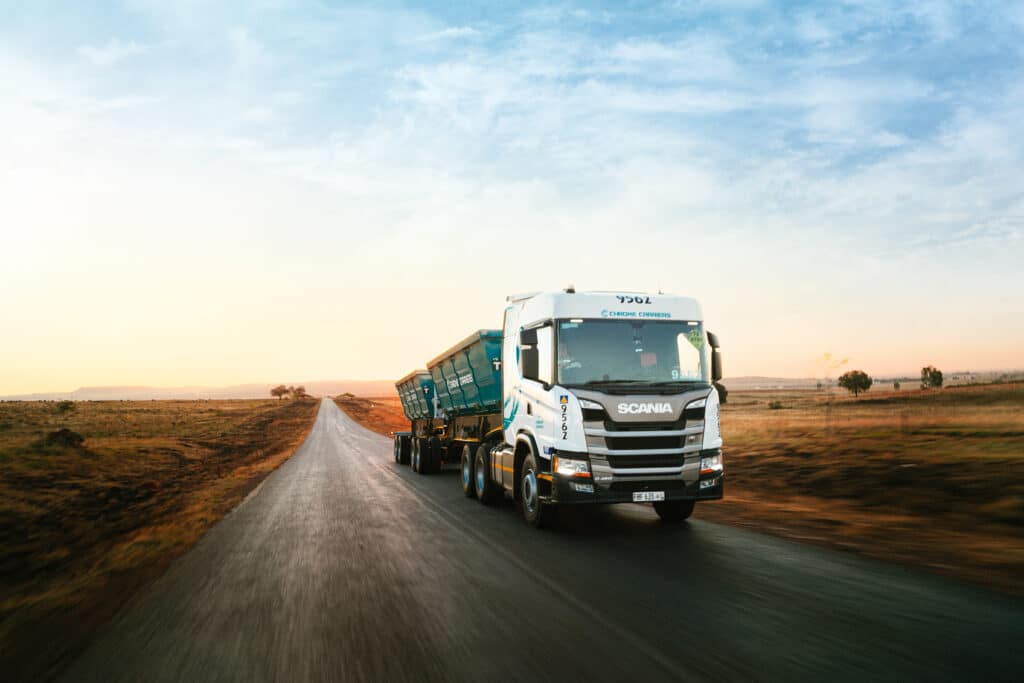
“There is a need for a dry port facility to support growing mining export volumes,” noted Frans Visser of Grindrod, highlighting the disproportionate pressure on road freight. As the Lobito Rail Corridor and port infrastructure in Angola are developed, Namibia must ensure it retains its advantage as the preferred Atlantic gateway for the region’s mineral wealth.