Namibia’s mining supply chains are being optimized through a multi-pronged strategy that focuses on technology-driven efficiency, strategic procurement, and developing end-to-end logistics solutions. While infrastructure challenges persist, new technologies and cross-sector collaborations are delivering measurable improvements in payload efficiency, border clearance times, and local economic impact.

Technology-Driven Efficiency at Logistics Nodes
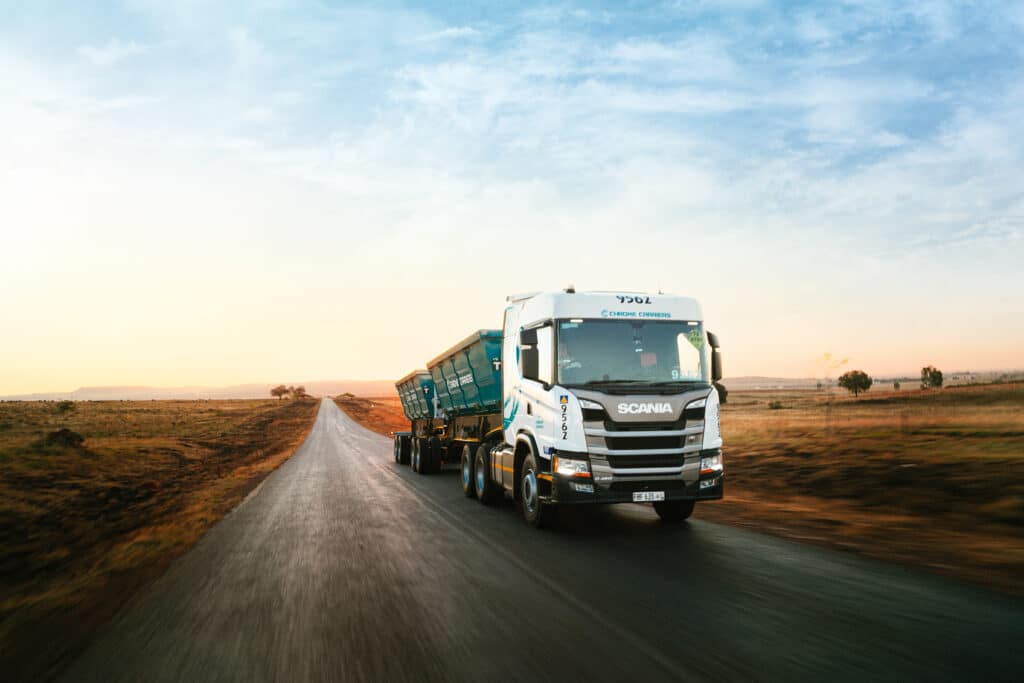
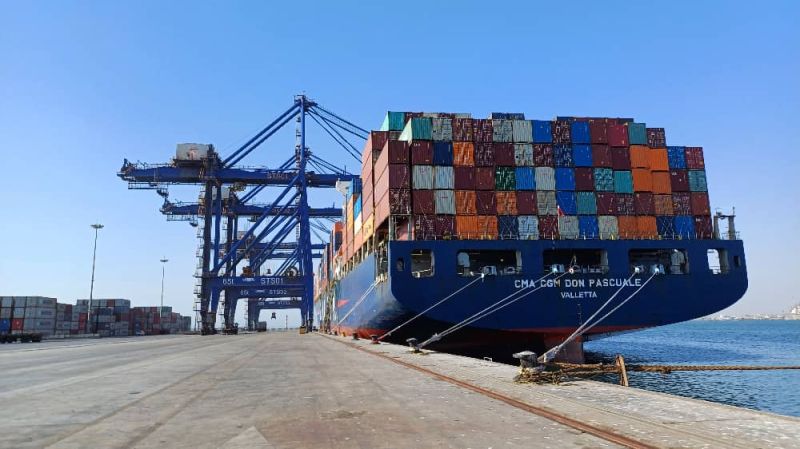
Technology is playing a key role in enhancing the efficiency of Namibia’s supply chains. For example, logistics service provider Pindulo Logistics has implemented a data-driven approach for moving copper concentrate from Botswana to the Port of Walvis Bay, achieving an 18% improvement in payload efficiency. This approach is supported by an automated documentation system that has reduced border clearance times by 20% for their major mining clients. Patented vessel loading equipment deployed at the port has also achieved a 350% efficiency improvement in vessel loading, significantly enhancing the economic viability of Walvis Bay for bulk exports.
Local Procurement as a Strategic Supply Chain Pillar
Supply chain optimization in Namibia is not solely about logistics efficiency; it is also deeply intertwined with government and industry goals for local economic empowerment. Major mining companies like B2Gold, Swakop Uranium, and Navachab Gold Mine are driving a strategic shift to direct contracts and capability-building, recognizing procurement as a tool for quick, tangible empowerment.
- Scale of Impact: Between 60% and 80% of industry spend already goes to Namibian suppliers, representing roughly 45% of total industry revenue flowing onshore. Swakop Uranium alone accounts for about N$7 billion of an estimated N$23 billion in local spend by the industry.
- Targeted Interventions: To address the capital gap faced by local suppliers, mines are closing the financing gap. For instance, Navachab provided equipment financing to a group of retrenched workers, enabling a contracting business that now generates approximately N$120 million per year**. Similarly, a worker at Swakop Uranium transitioned from being a cleaner to running an on-site car wash generating **N$3 million annually after the company invested in the required equipment.
A cross-sector collaboration initiated in late 2022 between B2Gold Namibia, Dundee Precious Metals, Ohorongo Cement, and Navachab has focused on streamlining supply chains, such as sharing road transport resources to improve distribution efficiency and reduce costs. This collaboration also provides a platform for combating vendor fraud.
End-to-End and Specialized Logistics
Logistics providers are evolving to offer more comprehensive services. Pindulo Logistics has successfully developed a true end-to-end logistics solution for a mine client, managing the entire process—from cross-border clearance and paperwork to port warehousing and bulk loading—for copper concentrate transported approximately 1,030 km from Botswana to Walvis Bay.
This integrated approach extends to specialized supply chains. The safe and secure transport of uranium and other radioactive material is a critical specialization for Namibia, a significant uranium-producing nation. While national regulations and some industry operators have robust internal procedures, systemic gaps exist, including a shortage of specialized transport containers and a lack of specialized training for first responders and customs personnel. There is a recognized need for strengthening regulatory guidance, investing in tracking infrastructure, and expanding specialized training to ensure safety in this strategic supply chain.
Linking the Supply Chain: The Silica Quarry Example
A mining supply chain is a connected network, and disruptions at one point can affect the entire system. The story of a newly approved silica quarry near Tsumeb illustrates this. This small operation is a critical link in the copper value chain, supplying silica to the Tsumeb smelter, Namibia’s only copper smelter. The quarry is located just 15 km from the smelter, sharply reducing transport costs and ensuring furnace chemistry remains stable. This ensures the smelter can efficiently process copper concentrate from regional mines into blister copper for export.