Windhoek, Namibia – Namibia is solidifying its position as the preferred trade gateway for the Southern African Development Community (SADC), with a series of corridor developments, infrastructure upgrades, and strategic stakeholder engagements driving cross-border trade growth across the region.

Record Volumes and Strategic Vision
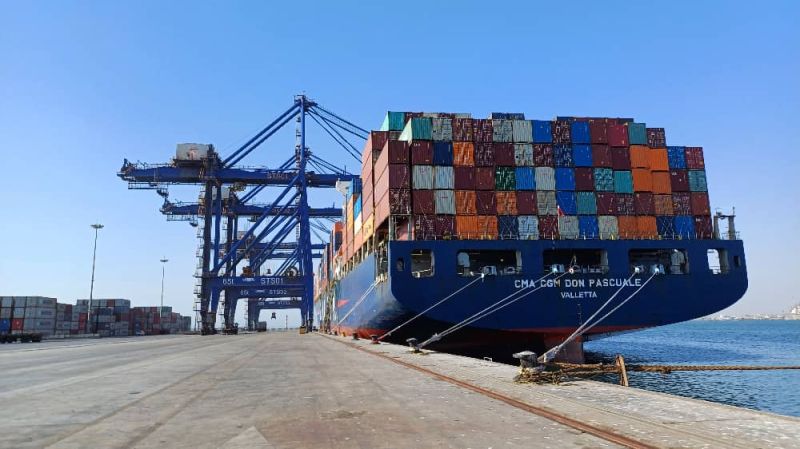
The Walvis Bay Corridor Group (WBCG) has reported record-breaking cargo volumes, with corridor throughput surpassing 2.5 million tonnes during the 2024/25 financial year. This milestone reflects sustained growth in trade flows to and from key regional markets including Angola, Botswana, the Democratic Republic of Congo (DRC), Malawi, Mozambique, South Africa, Zambia, and Zimbabwe.
The achievement comes as the WBCG transitions into its 2026–2031 strategic period, with a clear mandate to position Namibia as the Logistics Hub for the SADC Region—a vision aligned with Namibia’s National Development Plan 6 (NDP6).
“Our record throughput and the diversification of commodities demonstrate that the Walvis Bay Corridors are not just transport routes, they are enablers of regional trade, economic growth and investment,” said Edward Shivute, Acting CEO of the WBCG.
The Corridor Network: Connecting Landlocked Markets to the Atlantic
Namibia’s strategic advantage lies in its geographic position on the Atlantic seaboard, offering the shortest and most efficient access route for several landlocked SADC countries. The corridor network comprises four primary trade routes:
| Corridor | Route | Key Markets |
| Trans-Kalahari Corridor (TKC) | Walvis Bay → Botswana → South Africa | Botswana, South Africa |
| Walvis Bay–Ndola–Lubumbashi Development Corridor (WBNLDC) | Walvis Bay → Zambia → DRC | Zambia, DRC, Zimbabwe, Malawi |
| Trans-Cunene Corridor | Walvis Bay → Northern Namibia → Angola | Angola |
| Trans-Oranje Corridor | Lüderitz → South Africa’s Northern Cape | South Africa |
Trans-Cunene Corridor: Angola Trade Strengthens
The Trans-Cunene Corridor, linking the Port of Walvis Bay to Southern Angola via Tsumeb, Ondangwa, and the Oshikango/Santa Clara border post, is increasingly central to regional trade. The corridor carries a diverse range of goods between Namibia and Angola, including petroleum and fuel products, vehicles, mining inputs, construction materials, consumer goods and general retail items.
A key milestone was the introduction of 24-hour operations at the Oshikango/Santa Clara border post in June 2024, implemented by the governments of Namibia and Angola. The round-the-clock service has improved cargo flow, reduced delays, and boosted cross-border trade activity. Discussions are also underway on the possible establishment of a One-Stop Border Post, a development expected to streamline customs procedures and improve regional trade efficiency.
WBNLDC: Strategic Partnership for the Copperbelt
The Walvis Bay–Ndola–Lubumbashi Development Corridor serves the mineral-rich Copperbelt regions of Zambia and the DRC, providing direct Atlantic access for copper, cobalt, and zinc exports. A major milestone was the operationalisation of the permanent secretariat for the corridor, with Namibia introducing a user levy of 90 cents per tonne on cross-border cargo to finance corridor operations.
The introduction of zinc exports from the DRC via the WBNLDC in the 2024/25 financial year reflects growing market confidence in the route.
Mining Indaba 2026: Investor Confidence and Cargo Pipelines
At the Investing in African Mining Indaba, held in Cape Town in February 2026, the WBCG and Namport engaged in high-level discussions with leading global mining houses, commodity traders, and logistics investors. Several firms indicated interest in establishing operational bases, warehousing facilities, and value-adding processing operations in Walvis Bay and Lüderitz.
“Through the Walvis Bay Corridor Group, Namibia connects key regional corridors… offering direct access to the Atlantic Ocean, reducing cargo transit times by days, and supporting heavy mineral logistics and bulk exports,” said Deputy Minister of Industries, Mines and Energy, Hon. Gaudentia Kröhne.
Discussions explored the expansion of commodity flows, including potential imports of sulphur, fertiliser, ammonium nitrate, and clinker, alongside exports of nickel (both containerised and bulk), zinc, cobalt, manganese, copper, and iron ore.
Regional Infrastructure Transformations
Kazungula Bridge: A Game-Changer for the North-South Corridor
The US$259 million Kazungula Bridge across the Zambezi River has transformed regional trade, increasing the daily number of cargo trucks crossing between Botswana and Zambia. Before the bridge was constructed, crossing the river was done on a slow, low-capacity ferry that often led to delays of several days. This process now takes a matter of hours.
Japanese Ambassador to Namibia Shinichi Asazuma, who visited the 923-metre road-and-rail bridge at the world’s only quadripoint where four countries—Botswana, Namibia, Zambia, and Zimbabwe—meet, highlighted its significance:
“Jica established border management facilities, simplified customs procedures, significantly reduced border crossing times and eliminated logistics bottlenecks,” he said.
The bridge aligns with the SADC Infrastructure Vision 2027 and the SADC Protocol on Trade, supporting intra-regional trade and the African Continental Free Trade Area (AfCFTA).
North-South Economic Corridor: A $16 Billion Opportunity
The North-South Corridor (NSC), the busiest trade route in the SADC region moving over 60% of SADC trade and serving seven countries and over half the region’s population, is being transformed into a smart economic corridor.
Seven SADC member states—Botswana, DRC, Malawi, Mozambique, South Africa, Zambia, and Zimbabwe—have endorsed the concept of the NSC Economic Corridor Pilot Programme. The programme is estimated to unlock $16.1 billion in GDP within the region and generate approximately 1.6 million jobs through local manufacturing, value chains, and other economic activities. The pilot is expected to kick off in 2026 following approval by the Council of Ministers and Summit of Heads of State.
Mmamabula-Lephalale Rail Link: Unlocking Botswana’s Coal and Mineral Exports
A new era of economic growth and regional integration is on the horizon with the development of the Mmamabula-Lephalale Rail Link, connecting Botswana’s mining region with South Africa’s Lephalale area. The rail system is expected to play a pivotal role in the efficient movement of goods, including coal, soda ash, copper, manganese, and other vital exports.
“This project will reduce transportation costs, improve supply chain efficiencies, and strengthen the region’s competitive position on the global stage,” said Charles Siwawa, CEO of the Botswana Chamber of Mines. The project, costing approximately US$1.125 million per annum in rail capacity for Botswana, is technically and financially viable, with private sector participation seen as essential for successful implementation.
Shared Infrastructure Models: Lessons from the Bakwena Platinum Corridor
The World Economic Forum highlights the Bakwena Platinum Corridor—a 385 km toll route connecting Pretoria to the Botswana border—as a successful model of shared transport infrastructure supporting mineral exports. The corridor has facilitated the transport of platinum group metals and other commodities across the region, delivering efficiency gains, traffic control for overloading, employment creation, and social uplift.
The model—combining public-private partnerships, debt refinancing, the user-pay principle, and electronic tolling—is seen as replicable for lithium corridors in Zimbabwe, copper corridors in Zambia-DRC, and rare earth corridors in Namibia with development bank support.
Health and Safety: Maintaining Corridor Resilience
In May 2026, the WBCG confirmed that transport and trade activities along the corridors continued to operate normally despite a reported outbreak of the Ebola disease in parts of the DRC. However, cross-border transport operators, logistics personnel, and border agencies were urged to remain highly alert and implement health protocols to protect regional trade routes.
The WBCG’s roadside wellness clinics located along the transport corridors provide health services to cross-border transport operators, contributing to corridor safety and resilience.
Outlook: Strengthening Regional Integration
The WBCG’s strategic engagements throughout early 2026, including a high-level stakeholder mission in January and the strategic planning session in March, have reinforced the organisation’s commitment to addressing operational bottlenecks, strengthening stakeholder collaboration, and expanding market reach.
As Shivute noted, corridor competitiveness will increasingly be driven by efficiency upgrades, digitalization, harmonized border procedures, and strategic public-private partnerships.
“As mining production expands across the region, Namibia stands ready to provide reliable port access, multimodal connectivity, and a supportive policy environment that enables volume growth and long-term industrial development,” he stated.
With the Trans-Kalahari Railway feasibility study nearing completion, the Lobito Corridor Secretariat operationalised, and regional economic corridor programmes advancing, Namibia is poised to play an increasingly central role in facilitating SADC trade and regional integration.