Namibia’s rail sector is undergoing a transformative period marked by two parallel developments: a pioneering green hydrogen locomotive trial and the advanced stages of the massive Trans-Kalahari Railway project. These initiatives aim to modernize domestic freight capacity, decarbonize logistics, and create a new export corridor for the region’s mineral wealth.

Hydrogen-Powered Rail: A World-First Trial
A groundbreaking six-month trial of a dual-fuel hydrogen-diesel locomotive is set to begin, positioning Namibia as one of Africa’s first countries to deploy hydrogen technology in heavy freight rail.
The Partnership and Technology
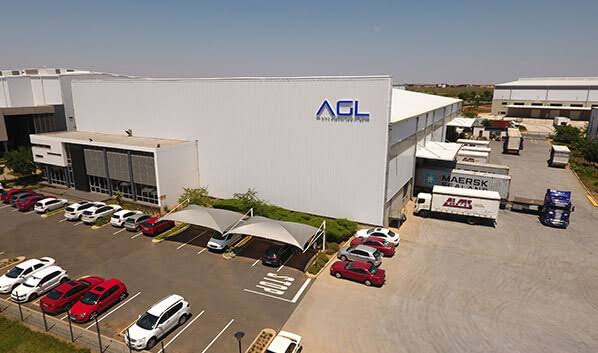
The project is a strategic collaboration between three entities: TransNamib (the national rail operator), CMB.TECH Namibia (a maritime hydrogen specialist), and Africa Global Logistics (AGL), which manages the Walvis Bay Multipurpose Bulk Terminal.
The locomotive, being assembled by South African firm Traxtion, features a 2,250-horsepower BeHydro dual-fuel engine. This allows it to operate on diesel, green hydrogen, or a combination of both, ensuring service reliability. If the hydrogen system is unavailable, the locomotive automatically switches to diesel, maintaining seamless operations.
| Feature | Specification |
| Engine | BeHydro Dual-Fuel (Hydrogen/Diesel) |
| Power | 2250 hp |
| Fuel Storage | Two 20-foot units with up to 360kg compressed hydrogen each |
| Route | Walvis Bay – Windhoek (414 km) |
| Trial Duration | Six months, ~50 return trips |
The Walvis Bay-Windhoek Route: A Demanding Test
The 414-kilometre corridor is an ideal testing ground. It climbs from just 6 metres above sea level at the coast to 1,601 metres in the Windhoek highlands, providing a meaningful real-world test for traction performance, fuel substitution, and system robustness under continuous load.
Strategic Impact and Future Plans
The project uses green hydrogen produced off-grid at CMB.TECH‘s plant in Walvis Bay, demonstrating how green hydrogen can be integrated into an existing logistics corridor.
For TransNamib, the trial is part of a broader modernisation strategy. CEO Desmond van Jaarsveld noted that the pilot would allow the company to evaluate fuel consumption, reliability, and cost-effectiveness. If successful, the company may consider transitioning portions of its fleet to dual-fuel technology.
Trans-Kalahari Railway: A Transformative Mega-Project
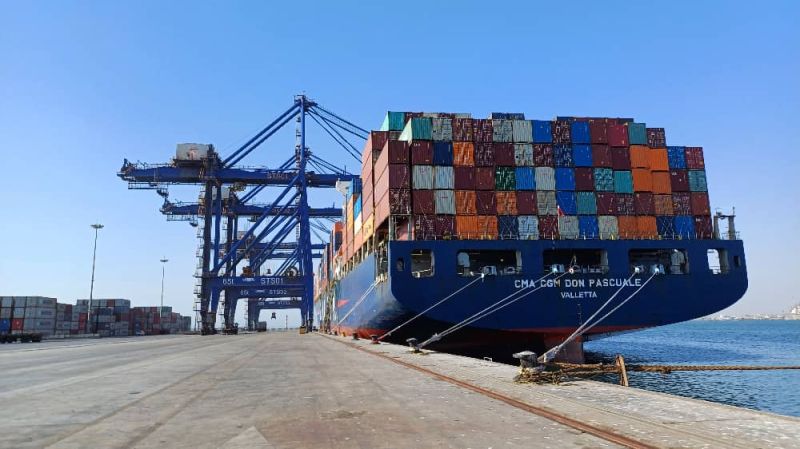
While the hydrogen trial represents immediate innovation, the Trans-Kalahari Railway (TKR) is the long-term game-changer. The proposed 1,500-kilometre line will connect Botswana’s mineral-rich hinterland to the Port of Walvis Bay.
Feasibility Study Reaches Final Stages
The project has been decades in the making, but is now at a critical juncture. The feasibility study, initially scheduled for completion in April 2026, was extended by two months to June 2026 to allow for essential technical assessments, including hydrological studies, geotechnical analyses, and route alignment checks.
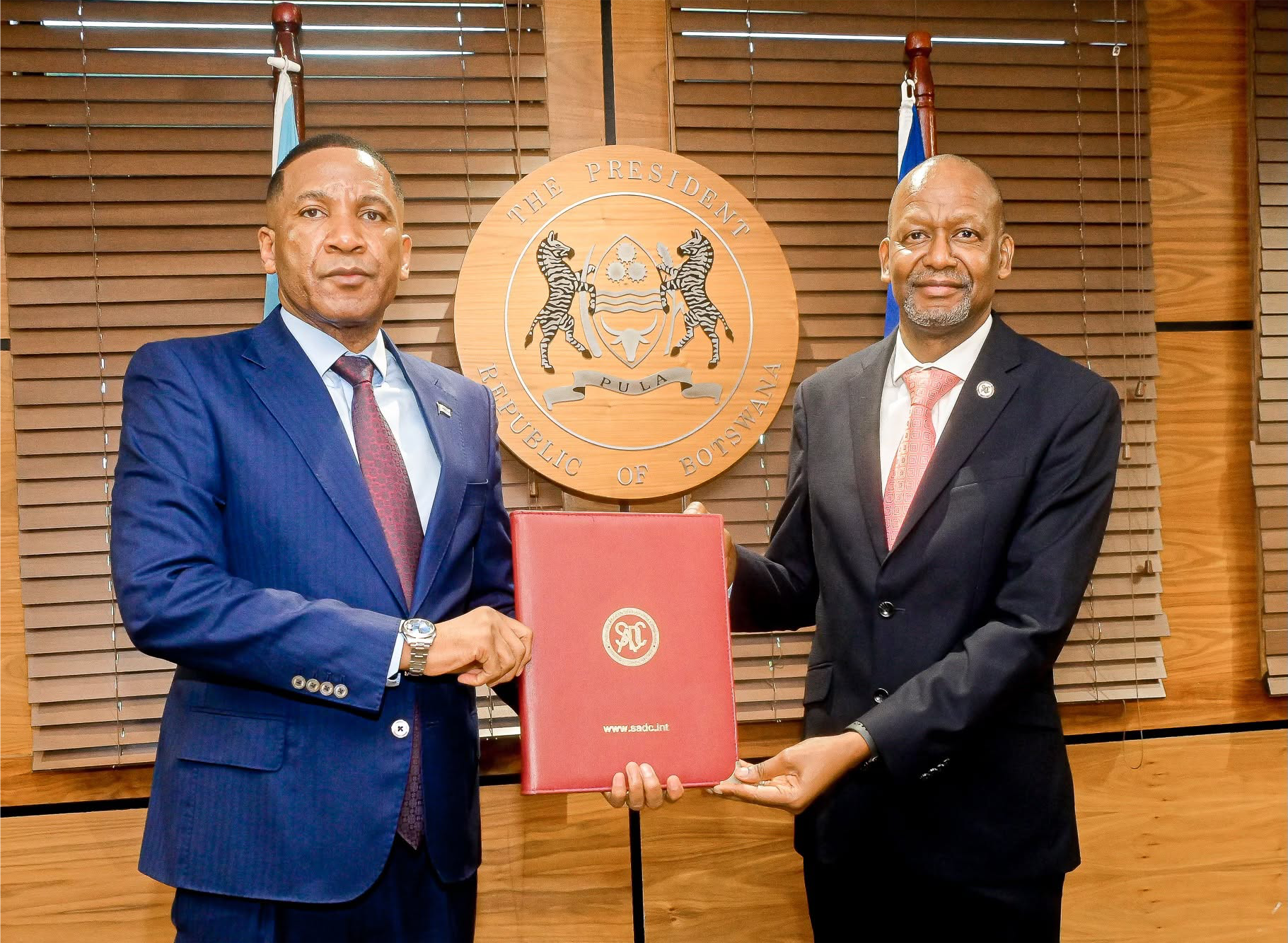
Both nations have reaffirmed their commitment. Namibia’s Minister of Works and Transport, Veikko Nekundi, stated: “This is no longer a dream. It is an engineering and economic imperative whose time has come”. Botswana’s Minister, Noah Salakae, noted the project will “cement and deepen the relationship between Botswana and Namibia”.
Technical Specifications and Funding
The project is estimated to cost more than US$12 billion (approximately P164.6 billion) and will be developed as a major Public-Private Partnership (PPP) under a Design, Build, Own, Operate, and Transfer (DBOOT) arrangement.
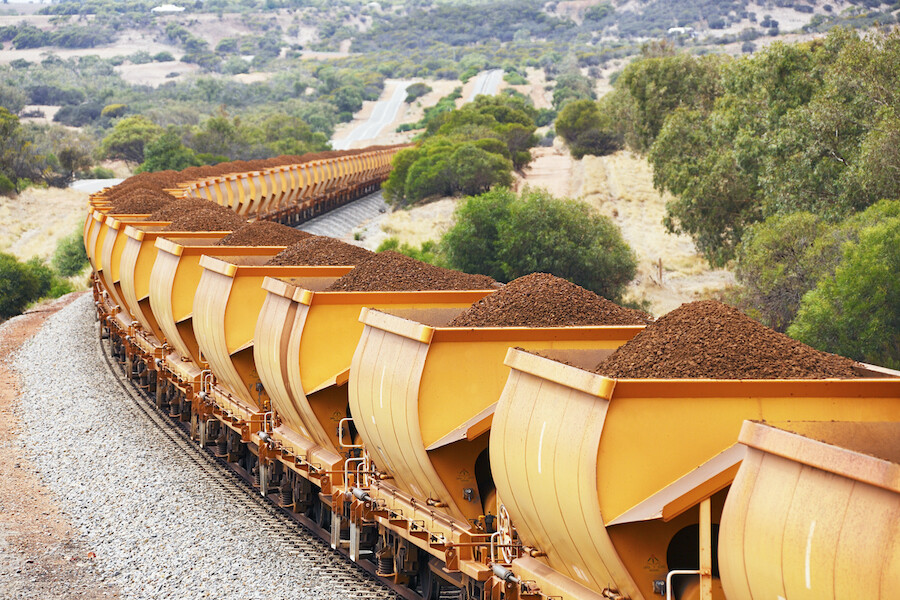
The line is predominantly intended to transport coal from Botswana’s Mmamabula coal fields to Walvis Bay, with plans to export around 90 million tonnes of coal per year to markets in India and China. The route will involve constructing a new line in Botswana to the existing railhead at Gobabis in Namibia, as well as rehabilitating the existing TransNamib line from Gobabis to Walvis Bay.
The Immediate Shift from Road to Rail
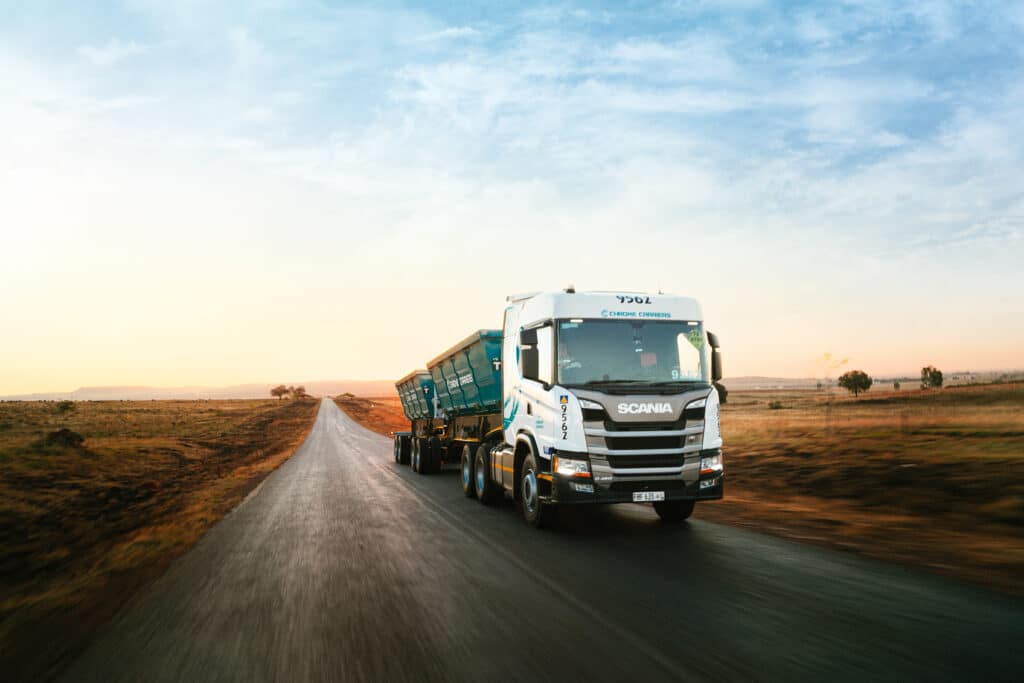
As a short-to-medium-term solution to move more bulk freight by rail, TransNamib is planning to shift coal exports from Botswana off the road and onto rail, with first shipments expected from Gobabis to Walvis Bay by February or March 2027. The plan aims to move approximately 50,000 tonnes of coal per month initially, with the potential to increase to 100,000 tonnes or more. TransNamib is securing significant funding from the Development Bank of Southern Africa (DBSA) to acquire new locomotives and wagons to support this capacity.
Capital Investment and Funding
The rail sector is seeing substantial financial commitment. The government budget for rail operations and projects has risen progressively:
| Financial Year | Rail Budget Estimate |
| 2023/24 | R455 million |
| 2024/25 | R614 million |
| 2025/26 | R990 million |
| 2026/27 | R1.2 billion |
| 2027/28 | R1.3 billion |
Note: This excludes the Trans-Kalahari Railway project’s multi-billion dollar funding .