June 2026 – A convergence of major infrastructure developments, strategic corridor expansions, and innovative logistics solutions is transforming Namibia into Southern Africa’s premier gateway for mining exports. From the eagerly anticipated completion of the Trans-Kalahari Railway feasibility study to the establishment of a permanent corridor secretariat and significant port developments, the building blocks are being assembled for a new era in regional mineral logistics.

Walvis Bay Corridors: Strengthening Regional Supply Chains
U.S. Recognition of Strategic Importance
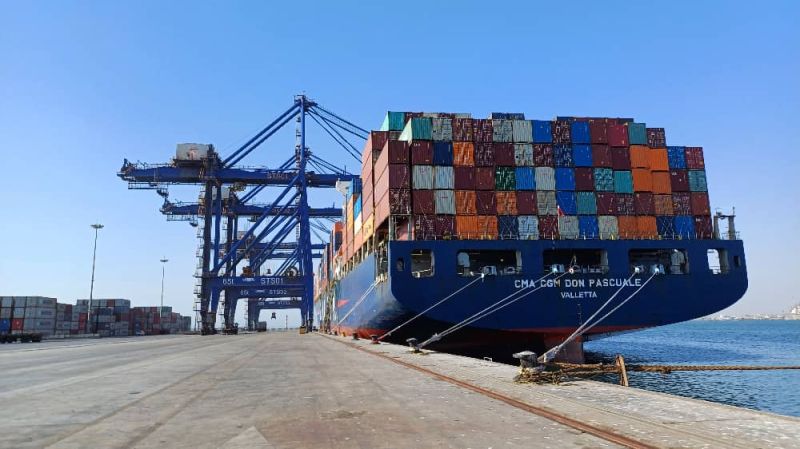
In a significant endorsement of Namibia’s logistics ambitions, a senior U.S. delegation led by Deputy Assistant Secretary of State for Southern Africa Nick Checker concluded a four-day visit to Namibia in mid-June 2026, with the Port of Walvis Bay emerging as a central topic of discussion.
U.S. Ambassador John Giordano described the port as a “rapidly emerging terminus of a Southern African energy security and logistics corridor” — not merely a gateway for Namibian exports, but “a strategic hub linking the region’s mineral, energy, and agricultural flows to global markets”. The discussions, which included Walvis Bay Corridor Group CEO Edward Shivute and Chamber of Mines CEO Fabian Shaanika, underscored Namibia’s competitive advantages in logistics and critical minerals, with the U.S. framing the relationship not around aid, but as a “commercial partnership driving integration with global supply chains”.
The visit reflects growing international interest in Namibia’s role as a logistics hub, particularly as the U.S. seeks to diversify critical mineral supply chains and strengthen ties with stable, rule-of-law jurisdictions.
Walvis Bay-Ndola-Lubumbashi Corridor: Permanent Office Established
A major milestone for regional integration was achieved in April 2026 with the opening of a permanent secretariat for the Walvis Bay-Ndola-Lubumbashi Corridor (WBNLDC), linking Namibia’s Atlantic port to the mineral-rich Copperbelt regions of Zambia and the Democratic Republic of Congo.
The corridor is of strategic importance for landlocked Zambia and the DRC, providing a direct and efficient route to international markets for copper, cobalt, and other critical minerals. To fund ongoing operations and maintenance, a modest levy of approximately 90 cents per tonne of goods moved along the corridor has been introduced. The new secretariat is expected to improve coordination, reduce border delays, cut costs, and make trade smoother, supporting the broader objectives of the African Continental Free Trade Area (AfCFTA).
The establishment of the secretariat was welcomed by representatives from all three countries, though they acknowledged ongoing challenges including security concerns, administrative delays, and the need for harmonized policies and improved digital systems at border crossings.
Rail & Bulk Transport Developments: The Trans-Kalahari Railway Nears Reality
Feasibility Study Completion Expected June 2026
The most transformative infrastructure project on Namibia’s horizon remains the Trans-Kalahari Railway (TKR), a proposed 1,500-kilometre line connecting Botswana’s coal fields and mineral-rich regions to the Port of Walvis Bay. After decades of discussion and delays, the project is now at a critical juncture.
The feasibility study, initially scheduled for completion in April 2026, was extended by two months to June 2026 to allow for essential technical assessments, including hydrological studies, geotechnical analyses, and route alignment checks. Both Namibia and Botswana have reaffirmed their unwavering political commitment to the project. As Namibia’s Minister of Works and Transport Veikko Nekundi stated: “This is no longer a dream. It is an engineering and economic imperative whose time has come”.
The project is estimated to cost more than US$16 billion (approximately P164.6 billion) and will be developed as a major public-private partnership. Construction is planned to begin around 2027, following the completion of the feasibility study. The railway is expected to reduce pressure on regional road networks and provide a more efficient, fuel-efficient, low-impact alternative to road transport for bulk commodities. It will also create jobs along the route and support mining, agriculture, and manufacturing sectors.
TransNamib’s Fleet Modernisation and Hydrogen Pilot
While the Trans-Kalahari Railway represents the long-term future, TransNamib is implementing immediate measures to strengthen its existing rail capacity. The state-owned rail operator has issued a tender to lease diesel-electric locomotives as a temporary measure to address operational capacity constraints while its multi-billion-dollar fleet modernisation programme is implemented.
The long-term plan remains firmly on track, with funding secured through the Development Bank of Namibia and the Development Bank of Southern Africa. An independent technical evaluation of locomotive manufacturers has been completed, and the company is moving forward with a programme to remanufacture 20 locomotives at an estimated cost of N$978 million—approximately 60% of the cost of purchasing new units. This forms part of a broader N$1.7 billion investment in 23 new locomotives.
In a pioneering move, TransNamib also announced in April 2026 that it had obtained board approval for a six-month pilot of a dual-fuel hydrogen-diesel locomotive, conducted in partnership with maritime group CMB.TECH. The trial, which will run for approximately 50 return trips along the Walvis Bay-Windhoek corridor, is designed to test hydrogen technology under real-world conditions across a range of performance indicators including fuel consumption, reliability, and cost-effectiveness. If successful, the pilot could position Namibia as an African leader in sustainable rail transport.
Shifting Coal from Road to Rail
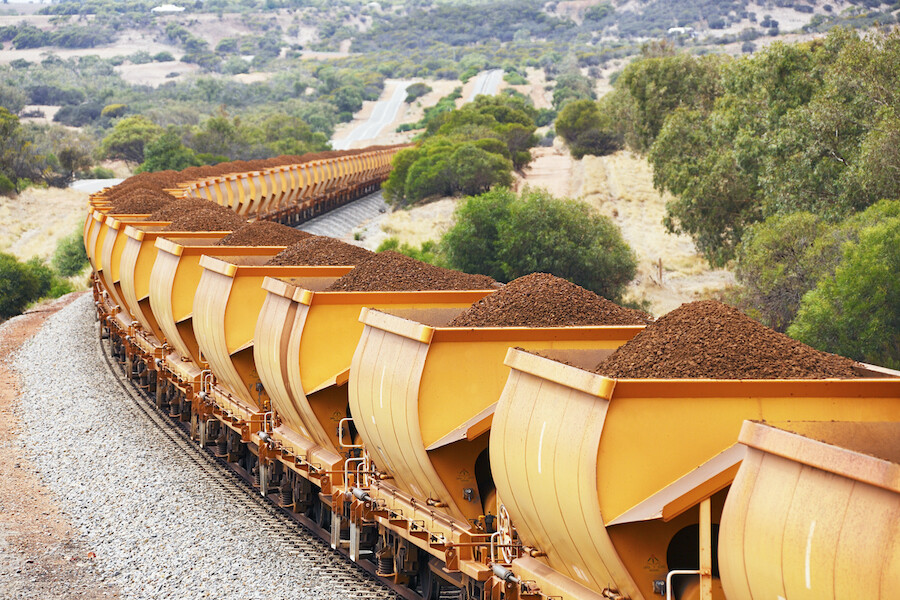
TransNamib is also targeting a short-term shift of coal exports from Botswana off the road and onto rail, with first shipments expected from Gobabis to Walvis Bay by February or March 2027. The plan aims to move approximately 50,000 tonnes of coal per month initially, with the potential to increase to 100,000 tonnes or more. While trucks will still carry coal from Botswana mines to Gobabis, the rail leg will significantly reduce costs and enable higher export volumes.
Government Budget Commitment
Transport infrastructure has received substantial budget allocations in the 2026/27 fiscal year, with Finance Minister Erica Shafudah announcing R2.1 billion for road infrastructure, supplemented by external loans and grants totalling R1.6 billion and fuel levy revenues of R2.4 billion. This follows progressive budget increases for rail operations and projects, from R455 million in 2023/24 to an estimated R1.3 billion in 2027/28, funding major capital projects.
Mining Supply Chain Optimization
Northern Graphite: Plant Relocation Reaches 60% Completion
In a significant development for Namibia’s emerging graphite sector, Northern Graphite has reached the 60% completion milestone in relocating processing infrastructure to its Okanjande graphite mine, with the project expected to be fully completed by June 2026. The processing plant is being moved from the former Okorusu mine site to Okanjande, a strategy expected to lower operating costs and improve project sustainability.
The relocation positions Okanjande for a planned restart in late 2027, with the mine set to supply graphite concentrate to a proposed Battery Anode Material (BAM) facility in Saudi Arabia—a joint venture with the Obeikan Investment Group, targeted to commence production in 2028. The company highlighted that Okanjande benefits from high-quality graphite resources, proximity to the Port of Walvis Bay, and a relatively short development timeline compared to competing global projects.
Haib Copper: Optimising Supply Chains for Bulk Production
Koryx Copper’s Haib Copper Project in southern Namibia is advancing toward a Pre-feasibility Study publication expected in late 2026, with significant developments in processing optimisation and infrastructure planning. The project is evaluating the application of Coarse Particle Flotation (CPF), a technology that could reject up to 25% of run-of-mine feed as coarse tailings with limited copper loss, effectively increasing processing throughput and reducing energy and water consumption.
On the infrastructure front, Haib’s power supply will be drawn from the Namibian national grid, augmented by a hybrid solar PV system with battery storage, designed to meet a peak demand of 152MVA and annual usage of 1,131GWh. A new double-circuit 220kV overhead transmission line from the Harib Substation (68km away) will provide grid connection, with capacity designed for future expansion to 200MVA. Water supply will be sourced from the Orange River, combined with significant on-site storage to address seasonality, with the option of connection to the Neckartal Dam for future expansion.
Klein Aub: Tapping Namibia’s Tailings Opportunities
Unicorn Mineral Resources is advancing its proposed acquisition of a controlling stake in the Klein Aub copper mine, with completion now expected by the end of June 2026. The company is pursuing an innovative processing route utilising Draslovka’s glycine leaching agent for the 5.5 million tonne tailings facility, estimated to grade 0.26% Cu and 7.4g/t Ag.
In a development with broader implications for Namibia’s mining sector, the Ministry of Industries, Mines and Energy has provided information on an additional 150+ tailings facilities resulting from mining activity pre-independence in 1990. These facilities present both a significant remediation challenge and an opportunity for metal extraction using the technologies being developed at Klein Aub.
Export Infrastructure and Supply Chain Investments
Airport Upgrades and Airfreight Capacity
The Namibia Airports Company (NAC) and Ministry of Works and Transport are pursuing significant airport upgrades, including a proposed third terminal at Windhoek’s Hosea Kutako International Airport incorporating solar power and energy-efficient facilities. Approximately R29 million is being invested in feasibility studies for upgrading airports at Lüderitz, Walvis Bay, Rundu and Katima Mulilo, aimed at improving regional connectivity and supporting green hydrogen and mining logistics.
New or expanded routes from airlines including South African Airways, Airlink, Air Angola, FlySafair, and Eurowings are boosting belly cargo capacity, with the NAC explicitly framing route development as a lever for higher passenger volumes and “diversification into cargo”.
Road Fund and Cross-Border EV Infrastructure
The Road Fund Administration (RFA) is exploring additional revenue streams to address a 46% funding gap between user fees and planned expenditure. Plans include enforcing new regulations mandating that used vehicles be transported “off-wheel” to protect infrastructure, and boosting cross-border electric vehicle traffic by placing charging stations along key corridors.
Cross-Border Trade and Regional Integration
The infrastructure investments underway are designed to support the broader objectives of the Southern African Development Community and the African Continental Free Trade Area. The Trans-Kalahari Railway, in particular, is expected to enhance regional connectivity, support intra-African trade, and provide a more efficient export route for landlocked SADC countries that have long relied on congested single corridors through South Africa.
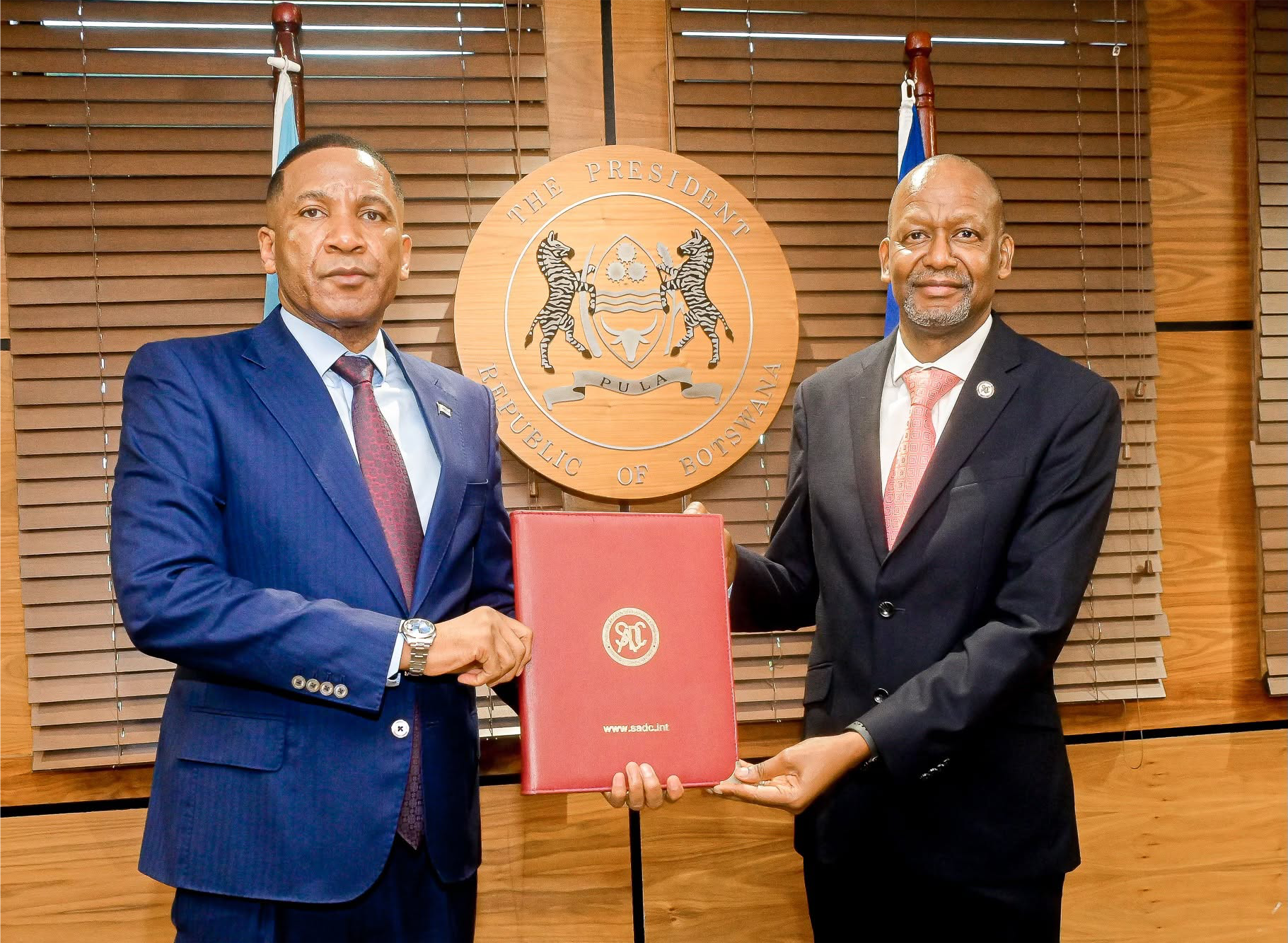
Both Namibia and Botswana are contributing equally to the project’s funding, with Botswana’s Minister of Transport and Infrastructure Noah Salakae noting that “the largest part of the railway is in Botswana,” and that the project will “cement and deepen the relationship between Botswana and Namibia”.
Outlook: From Gateway to Global Logistics Hub
As the Trans-Kalahari Railway feasibility study reaches completion and the Walvis Bay-Ndola-Lubumbashi Corridor secretariat becomes operational, Namibia is moving decisively to transform its logistics sector from a national gateway into a global supply chain hub.
The combination of port expansion, rail modernisation, hydrogen innovation, and corridor management positions Namibia to capture a significant share of the growing demand for critical minerals logistics. The recognition from international partners, particularly the United States, of Namibia’s strategic importance in this area adds a new dimension of geopolitical significance to the country’s infrastructure ambitions.
As Ambassador Giordano observed during his visit, “The countries that produce energy, control critical minerals, and build reliable supply chains will shape the balance of economic and industrial power in the decades ahead”. Namibia is positioning itself firmly to be one of those countries.