Cape Town/Windhoek – As Africa moves to unlock an estimated $8.6 trillion in untapped mineral resources, regional policy alignment and a surge of major investment decisions are fundamentally reshaping the continent’s mining landscape. From the SADC Ministerial Forum’s push for harmonized mining codes to major Final Investment Decisions (FIDs) in West and Southern Africa, the message resonating across the sector is one of coordinated growth and value addition.

SADC Pushes for Policy Harmonization
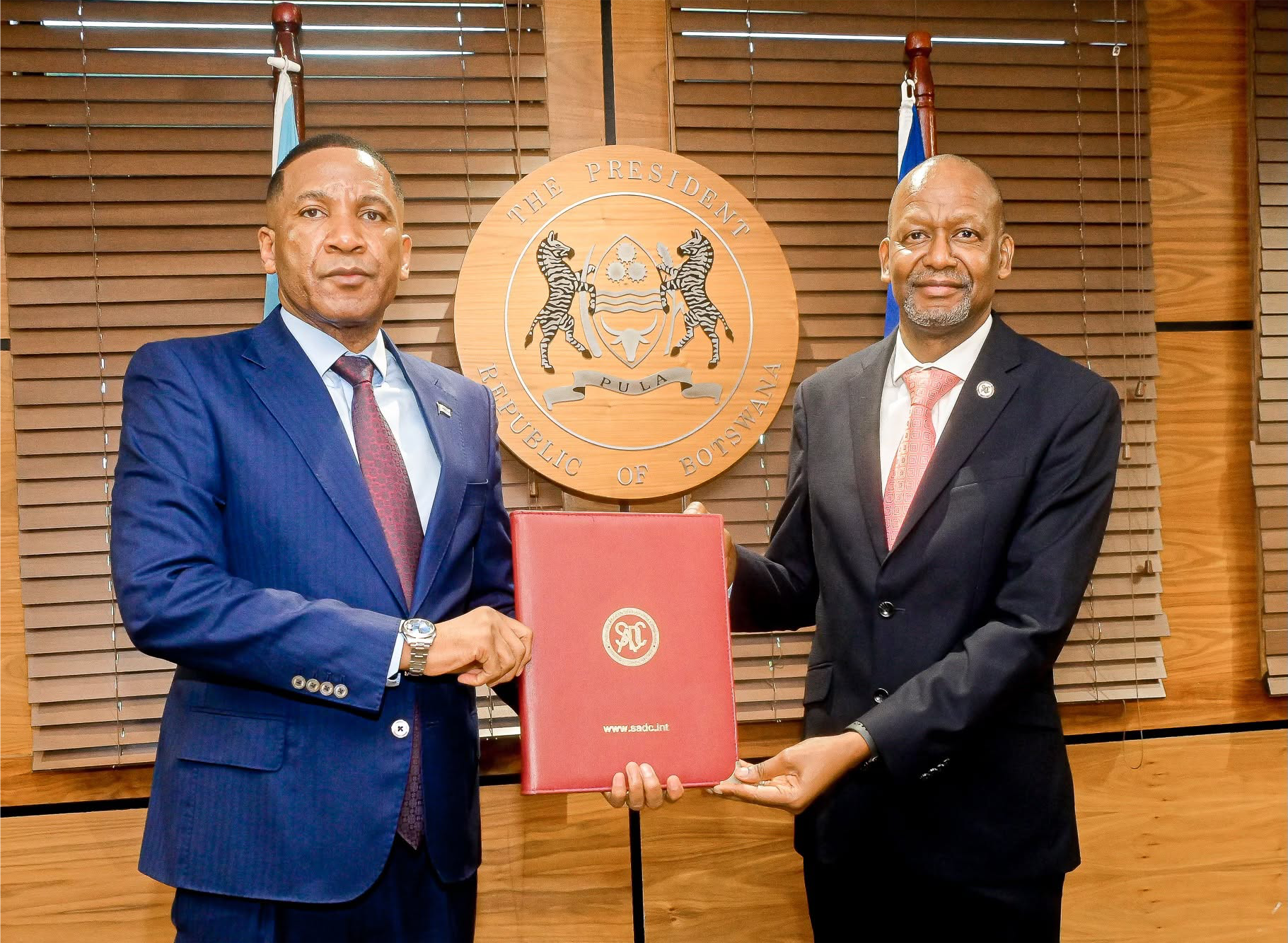
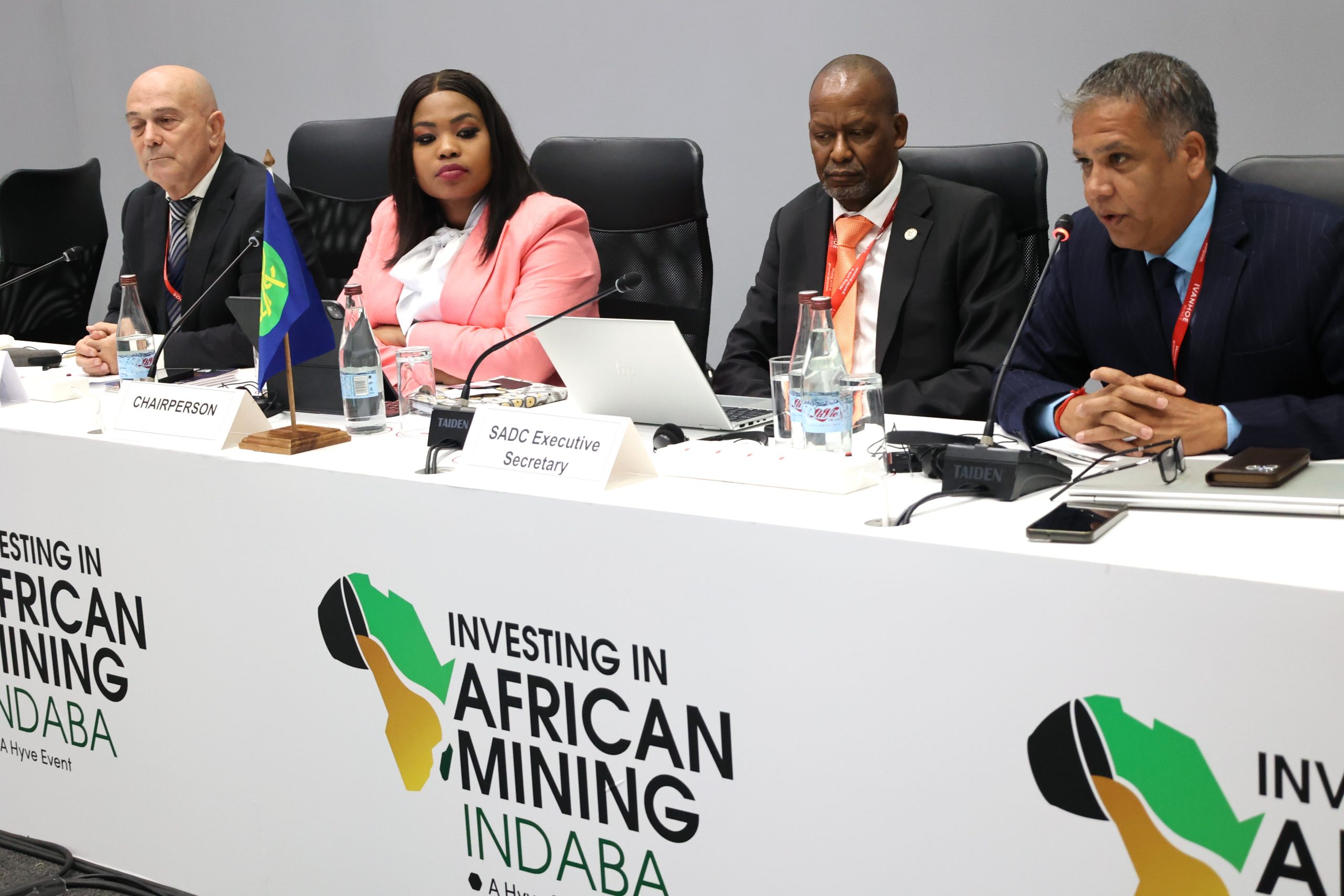
The Southern African Development Community (SADC) has intensified calls for stronger public-private partnerships and policy harmonization to accelerate mineral investment and job creation. During the first SADC Ministerial High-Level Public Private Mining Forum, held on the margins of the 2026 Investing in African Mining Indaba in Cape Town, regional leaders emphasized that fragmented policies and uncoordinated approaches increase uncertainty and raise transaction costs.
Honourable Phumzile Mgcina, Deputy Minister of Mineral and Petroleum Resources of South Africa, noted that regional competitiveness improves when member states move “from fragmented competition to complementarity”. SADC Executive Secretary H.E. Elias Mpedi Magosi underscored the bloc’s commitment to a regional approach that optimizes the developmental impact of finite mineral extraction for sustainable economic growth and inter-generational equity.
Key regional instruments guiding this vision include the SADC Mining Protocol, Regional Mining Vision, and the SADC Industrialisation Strategy and Roadmap (2015–2063). The Forum agreed on several priority strategies: implementing community benefit mechanisms and formalization pathways for artisanal miners, strengthening regional training capacity, and leveraging SADC regional instruments to ensure coherent implementation across member states.
Namibia’s Gateway Ambitions
Namibia is positioning itself as a central hub in this regional strategy. Nangula Frienda Ithete, Namibia’s High Commissioner to South Africa, confirmed the country’s alignment with the African Continental Free Trade Area (AfCFTA) and global market trends, stating that Namibia is “ready to serve as a gateway between SADC and international markets for critical minerals”.
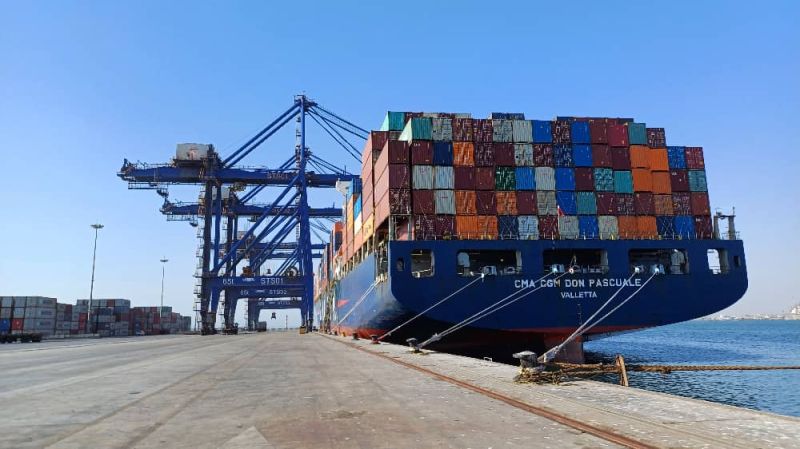
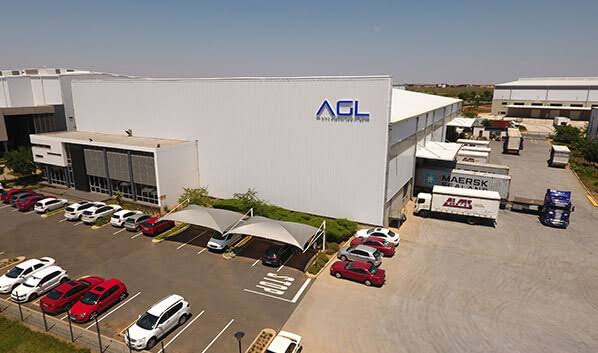
The Walvis Bay Corridor Group (WBCG) , alongside the Namibian Ports Authority (Namport), has been actively marketing this advantage. Engagements at the Mining Indaba revealed strong investor confidence in the strategic advantages offered by the corridors linking the Ports of Walvis Bay and Lüderitz. Several firms have indicated interest in establishing operational bases, warehousing facilities, and value-adding processing operations in these port towns.
Deputy Minister of Industries, Mines and Energy Hon. Gaudentia Kröhne emphasized that “through the Walvis Bay Corridor Group, Namibia connects key regional corridors… offering direct access to the Atlantic Ocean, reducing cargo transit times by days, and supporting heavy mineral logistics and bulk exports”. This logistics advantage is expected to support mineral beneficiation and regional value chains.
Major Final Investment Decisions Signal Sector Maturity
Across the continent, a wave of FIDs is propelling Africa’s mining sector into a new phase of expansion. These investment decisions signal growing capital inflows as developers advance projects toward production to meet rising global mineral demand.
In West Africa, Resolute Mining approved a $516 million FID for its Doropo Gold Project in Ivory Coast, with first production of 500,000 ounces per annum expected by 2028. Toubani Resources approved a $216 million FID for the Kobada Gold Project in Mali, designed to produce approximately 162,000 ounces of gold annually.
Southern Africa has seen equally significant commitments. Rio Tinto approved a $473 million investment to extend the life of the Zulti South Project in South Africa to 2050, strengthening the country’s position as a long-term supplier of mineral sands. Meanwhile, Tharisa approved a $547 million FID for an underground expansion at its Bushveld Complex operations, expected to deliver over 200,000 ounces of platinum group metals annually alongside more than two million tons of chrome concentrate.
A broader pipeline of projects is advancing toward potential FIDs, including the Manono Lithium Project in the DRC, the Gorumbwa Platinum Project in Zimbabwe, the Diamba Sud Gold Project in Senegal, and the Kabanga Nickel Project in Tanzania.
Critical Minerals Projects Gain Momentum Across Regions
Individual countries are advancing critical minerals projects at pace:
- Nigeria struck a $1.3 billion deal with the Africa Finance Corporation covering construction of a one-million-ton-per-year alumina refinery, a national geoscience mapping program, and a joint investment vehicle. A $600 million lithium processing plant in Nasarawa State is at the commissioning stage, with new mining licenses now requiring local processing of at least 30% of output before export.
- Zambia is on course to clear one million tons of copper output in 2026, supported by First Quantum Minerals’ completed $1.25 billion S3 plant expansion at Kansanshi and Barrick Gold’s $2 billion program to double output at Lumwana. Africa’s first cobalt sulfate refinery is targeting commissioning in Zambia in 2026.
- Senegal launched the Falémé Integrated Iron Project, targeting 15 to 25 million tons per year at peak output from reserves exceeding 600 million tons. The mineral export port at Bargny is operational and rail rehabilitation is progressing.
Divergent Commodity Outlook for 2026
According to an S&P Global Market Intelligence report, Africa’s metals markets face divergent paths in 2026. Platinum is expected to remain in structural supply deficit, largely due to constrained South African output, supporting prices despite moderate demand growth. Palladium faces weaker prospects as EV adoption reduces demand for catalytic converters.
Copper is forecast to benefit from supply disruptions and continued demand from renewable energy systems and EV manufacturing. Cobalt markets are projected to tighten, with the DRC’s export quotas and regulatory interventions expected to push the market into deficit. Iron ore prices are expected to trend lower as new supply from Guinea’s Simandou project enters the market, combined with China’s steel output cuts.
Outlook: Regional Integration as the Path Forward
As African Mining Week (AMW) 2026 approaches—scheduled for October 14–16 in Cape Town—the focus will remain on how intergovernmental policy coordination can enable cross-border trade in minerals and advance the continent’s local beneficiation agenda. The Ministerial Forum titled ‘Regional Policy Alignment: Mining Code Reforms to Unlock Value’ will provide a platform for African mining ministers to showcase investment prospects across the continent’s mining value chain.
For Namibia, the path forward is clear: leverage its logistics advantages, maintain policy certainty, and continue positioning itself as the Atlantic gateway for SADC’s mineral wealth. As one industry observer noted, Africa’s integration is not merely a political ambition but a strategic economic necessity—and Namibia intends to be at the center of it.