Namibia – A massive infrastructure push is underway across Namibia, designed to transform the country from a resource-dependent economy into a diversified industrial hub and southern Africa’s premier logistics gateway. With N$28.5 billion in new funding, major port expansions, a landmark transcontinental railway project, and targeted energy and water investments, the building blocks are being put in place to support a new era of mining growth .

However, as the sector expands into remote regions like the Erongo Region’s gold belt, logistical challenges and utility strikes serve as a reminder of the fragility of current systems .
Strategic Funding: The N$28.5 Billion Blueprint
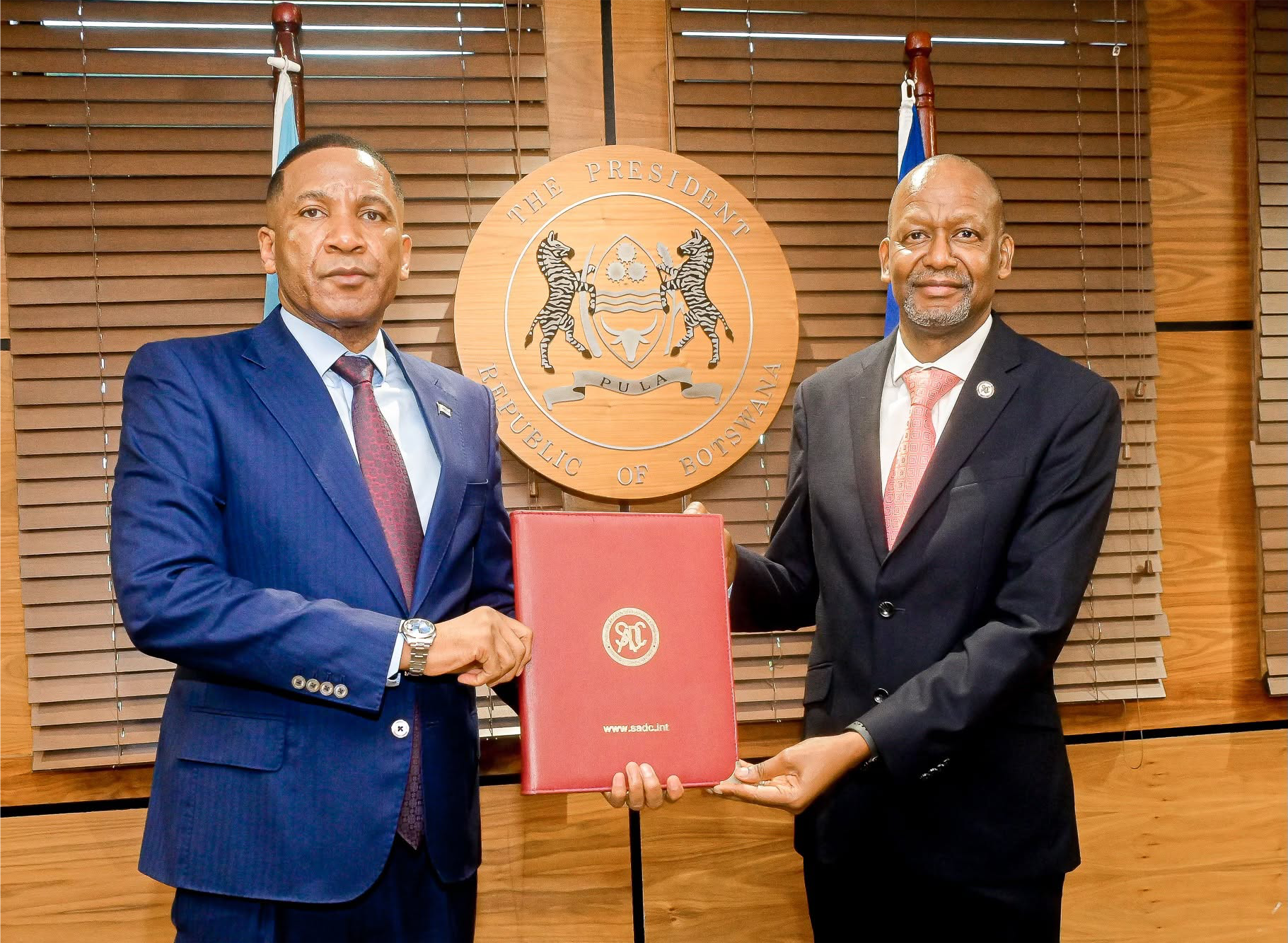
In a landmark move in March 2026, the Namibian government and the African Development Bank (AfDB) launched a N$28.5 billion (approx. US$1.78 billion) Country Strategy Paper for 2025 to 2030 .
This five-year financial engine is designed to “break the mining’s grip” on the economy by pivoting towards labor-intensive growth. Finance Minister Ericah Shafudah noted the strategy is a direct response to global commodity volatility, aiming to ensure Namibia is “no longer vulnerable to the highs and lows of a single industry” .
The funding is structured to tackle the two main pillars holding back mining growth:
- Infrastructure (Pillar 1): Climate-resilient energy, integrated water management, and transport logistics.
- Human Capital (Pillar 2): Technical and vocational education to ensure Namibians have the skills to build and run this infrastructure .
AfDB Deputy Director General Moono Mupotola confirmed that real work is now beginning on operations that “deliver tangible results for the lives of Namibians” .
Ports & Corridors: The Walvis Bay Advantage
Namibia’s geographical ace is its deep-water Atlantic ports, which offer landlocked neighbors like Botswana, Zambia, and the DRC a shorter route to global markets than South African ports.
Mining Indaba 2026 Wins
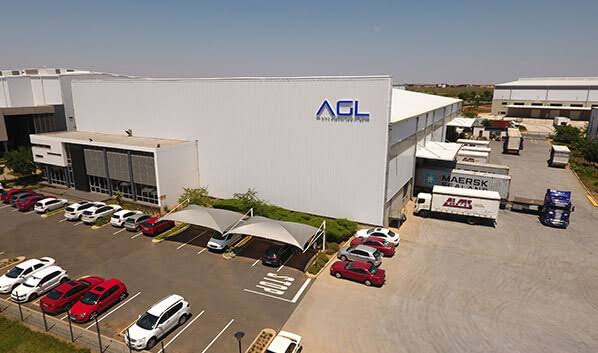
At the Investing in African Mining Indaba in Cape Town (February 2026), the Walvis Bay Corridor Group (WBCG) and Namport reported strong investor confidence. Several global mining houses and logistics firms indicated interest in establishing operational bases and warehousing facilities at Walvis Bay and Lüderitz .
Deputy Minister Gaudentia Kröhne highlighted that through corridors like the Trans-Kalahari and Walvis Bay-Ndola-Lubumbashi Development Corridors (WBNLDC) , Namibia offers “direct access to the Atlantic Ocean, reducing cargo transit times by days” .
Operational Milestones
- Zinc Exports: A key milestone was the introduction of zinc exports from the DRC via the WBNLDC through Walvis Bay .
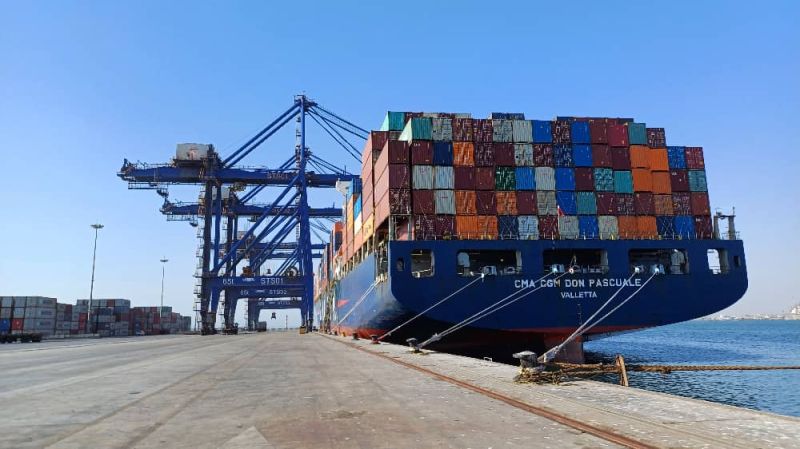
- Copper Handling: At the Port of Walvis Bay, investment in modernized equipment—including shore cranes paired with a patented closed skip system—has enabled faster loading, zero spillage, and quicker vessel turnaround times for copper exports from Botswana .
- Lüderitz Expansion: The development of the Angra Point Deepwater Port is set to unlock more manganese exports, while the port is also gearing up to service offshore oil and gas exploration .
Border Efficiency
The opening of One-Stop Border Post operations at Trans-Kalahari/Mamuno and the 24-hour operation at the Oshikango-Santa Clara border post (Angola corridor) has significantly reduced transport costs and transit times for mining supplies .
The Trans-Kalahari Railway: A Game Changer
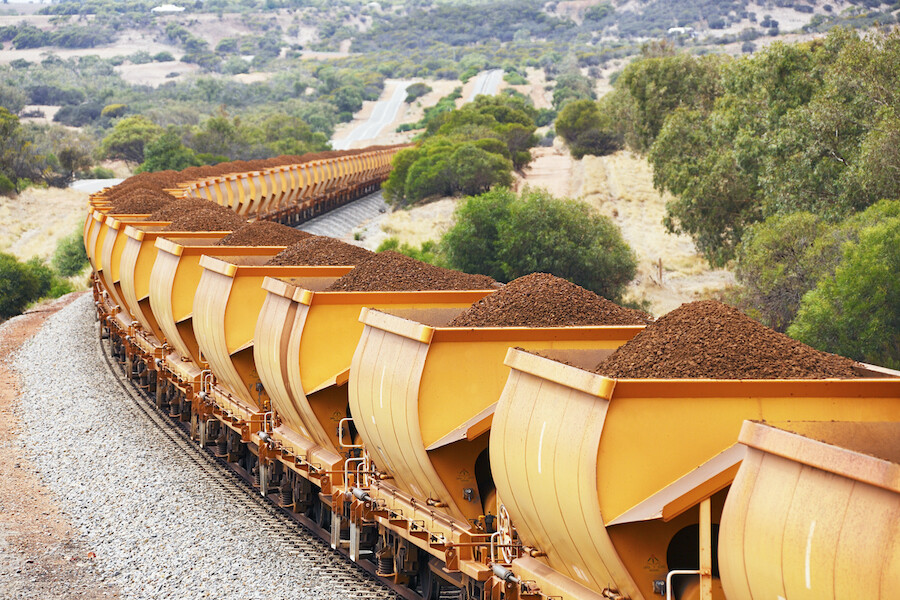
While roads are improving, the future of bulk mineral logistics lies in rail. The Trans-Kalahari Railway (TKR) project—a 1,500km line linking Botswana’s mineral-rich hinterland to Walvis Bay—is gaining irreversible momentum .
A full feasibility study for the mega-project began in April 2025 and is expected to be completed by March 2026 . Namibian President Netumbo Nandi-Ndaitwah and Botswana’s President Duma Boko have both reaffirmed their commitment to the project, which is seen as vital for reducing transport costs for landlocked Botswana .
Once complete, the TKR will provide a fuel-efficient, low-impact alternative to road transport, specifically designed to handle the heavy bulk commodities (copper, coal, iron ore) that will define the region’s next decade of mining .
Power & Water: The Critical Inputs
Infrastructure is not just about transport; it is about keeping the lights on and the pumps running.
Energy Security
Namibia currently relies heavily on electricity imports, a vulnerability for energy-intensive mining operations. The AfDB strategy prioritizes renewable energy alternatives to support the mining sector and the emerging Green Hydrogen industry .
- Local Generation: Projects are underway to boost national generation capacity from 759 MW to 903 MW this fiscal year .
- Green Hydrogen: The government is leveraging its solar and wind resources to become a regional hub for green hydrogen, which requires massive desalination and power infrastructure—investments that will also service coastal mining operations .
Water Scarcity
Water remains the most pressing risk for arid Namibia.
- Infrastructure Strain: In February 2026, NamWater warned of potential interruptions in northern regions due to a strike by electricity distributor NORED. This highlighted the cascading risk where power outages directly impact water pumping and treatment for mines and communities .
- Integrated Management: The N$28.5 billion blueprint specifically includes “integrated water management” to secure supply for industrial users like uranium mines, which are heavy water consumers .
Mine-Level Logistics: Case Study of Kokoseb & Hope & Gorob
The national infrastructure plans are already being stress-tested by new projects.
Kokoseb Gold Project (Erongo Region): Located in a relatively remote area, WIA Gold is planning a self-contained operation. The mine will feature a 710-bed village to house workers under fly-in/fly-out arrangements. Notably, the operation plans to produce gold doré bars on site, which will be flown out every two weeks via a dedicated helipad for final refining—bypassing the need for road transport of high-value product .
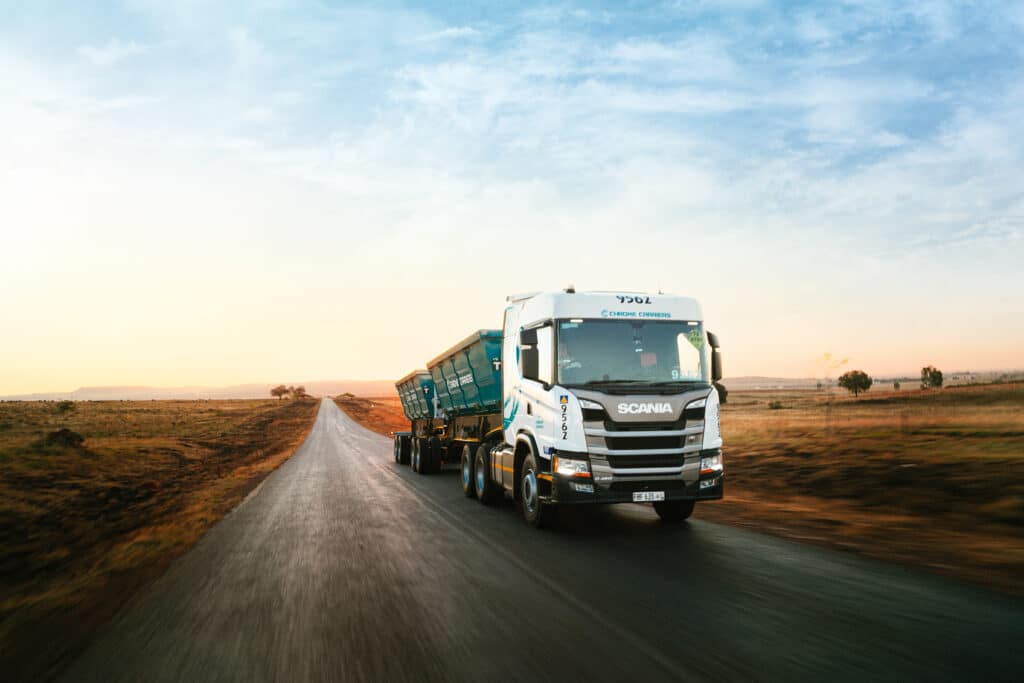
Hope & Gorob (Copper): Bezant Resources has awarded a contract to Unitrans Namibia for hauling ore to the processing plant. With engineering design complete and long-lead items procured, the company expects to deliver first copper-gold concentrates in the second half of 2026, proving that the logistics chain from mine to port is becoming more reliable .
Outlook: Execution is Key
While the policy roadmap is ambitious, analysts warn that “development impact is not measured by approvals, but by delivery” . The government has committed to rigorous public financial management and procurement reforms to ensure that the N$28.5 billion translates into actual rail lines, power plants, and water pipelines.
As the WBCG’s Edward Shivute noted, corridor competitiveness will increasingly be driven by efficiency upgrades, digitalization, and harmonized border procedures . If Namibia can execute on its infrastructure promises, it is poised to become not just a mining country, but the industrial gateway for southern Africa .